
When Allergies Don’t Just Make You Sneeze—They Show Up on Your Skin

This is the time of year when patients walk in saying some version of: “I thought this was just allergies… but why is my face freaking out?” Fair question. Because seasonal allergies don’t just affect your sinuses—they can absolutely show up on your skin too. Let’s talk about it.
Your Skin Is Basically in Pollen Season Too
When pollen counts rise, your immune system goes on high alert. That response doesn’t stay neatly confined to your nose and eyes—it can spill over into your skin.The result? A whole lineup of skin reactions that can feel confusing if you’re not expecting them.
The Most Common Culprits We See
1. Itchy, irritated eyelids
This is the classic spring complaint. The skin around your eyes is thin and sensitive, so even a little pollen exposure can cause:
Redness
Dryness
Flaking
That “I swear I didn’t cry” puffiness
Bonus problem: rubbing your eyes makes it worse (I know, it’s hard not to).
2. Random rashes that seem to come out of nowhere
You might notice:
Patchy redness on the face or neck
Small, itchy bumps
Skin that suddenly feels reactive to products you’ve used forever
This can be allergic contact dermatitis—triggered by pollen, plants, or even fragrances interacting with already sensitized skin.

3. Hives (aka surprise welts)
These show up as:
Raised, itchy welts
Shapes that come and go quickly
A tendency to migrate (just to keep things interesting)
They can be triggered by environmental allergens or your body’s overall allergic response.
4. “Why is my skin suddenly so sensitive?”
Even if you don’t see a full rash, your skin might:
Sting when you apply products
Flush more easily
Feel dry and irritated
Allergies can weaken your skin barrier, making everything feel like a bit much.
Why This Happens (Quick Science, No Lecture)
Allergies = histamine release.
Histamine = inflammation.
Inflammation = your skin acting dramatic.
Add in pollen sitting on your skin, increased outdoor exposure, and a little extra face-touching… and you’ve got the perfect recipe for irritation.
What Actually Helps
You don’t need a full routine overhaul—just a few smart adjustments:
Keep it gentle
This is not the time to experiment with strong actives. Stick to:
Mild cleansers
Fragrance-free moisturizers
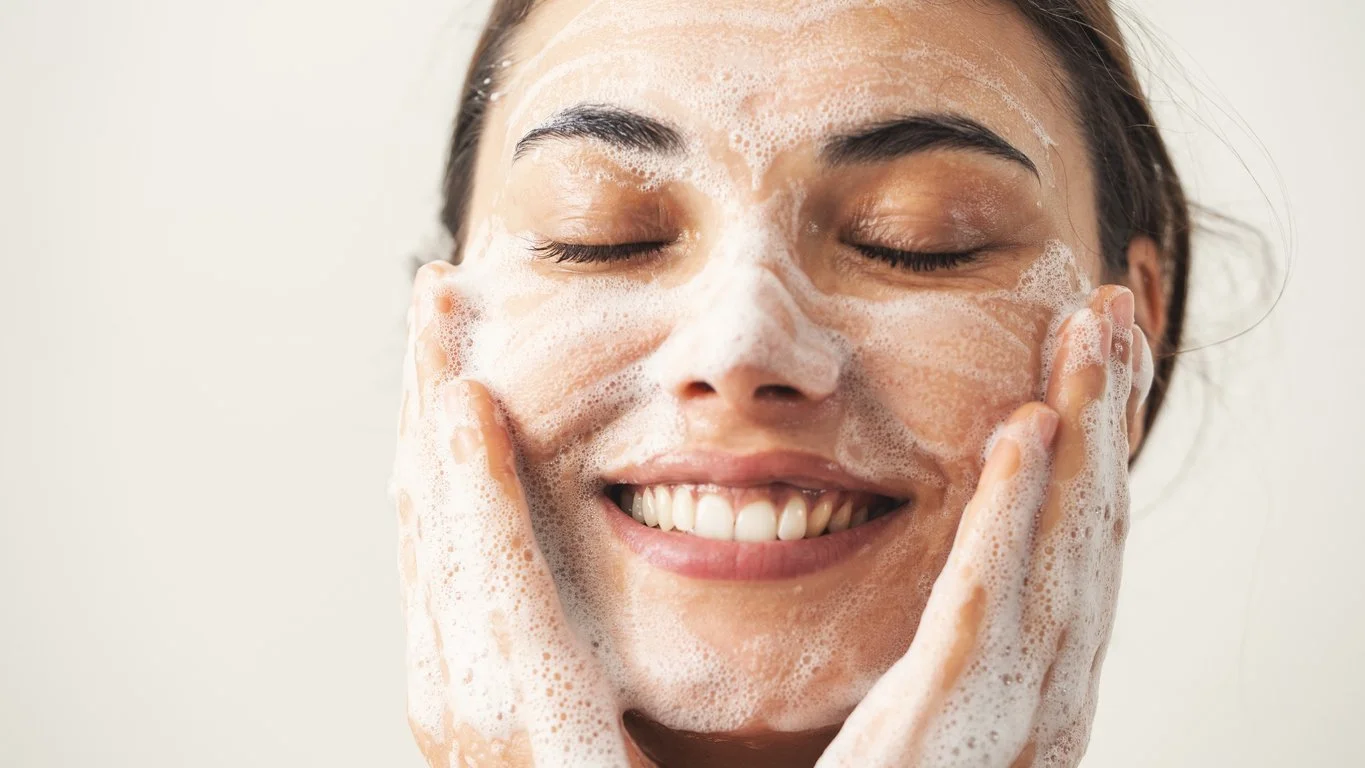
Wash it off
Pollen sticks to your skin and hair. A quick cleanse after being outside can make a real difference.
Hands off (as much as possible)
Rubbing = more inflammation. I know it’s tempting—try a cool compress instead.
Barrier repair is your best friend
Look for ingredients like:
Ceramides
Hyaluronic acid
Glycerin
Don’t skip sunscreen
Sun + inflammation = more irritation and potential pigmentation issues.
When to Actually See a Dermatologist
If your skin is:
Persistently itchy or painful
Spreading or worsening
Not improving with gentle care
Interfering with sleep (itchy nights are the worst)
…it’s time to come in. Sometimes you need prescription treatments to calm things down properly.
The Bottom Line
If your skin suddenly feels reactive, itchy, or just “off” this time of year, you’re not imagining it—and you’re definitely not alone.
Spring allergies don’t stop at sneezing. Your skin is very much part of the conversation.
And the good news? Once you know what’s going on, it’s a lot easier to manage.
If your skin is currently staging a seasonal protest, consider this your sign to be a little extra gentle with it. It’s doing its best out there.
